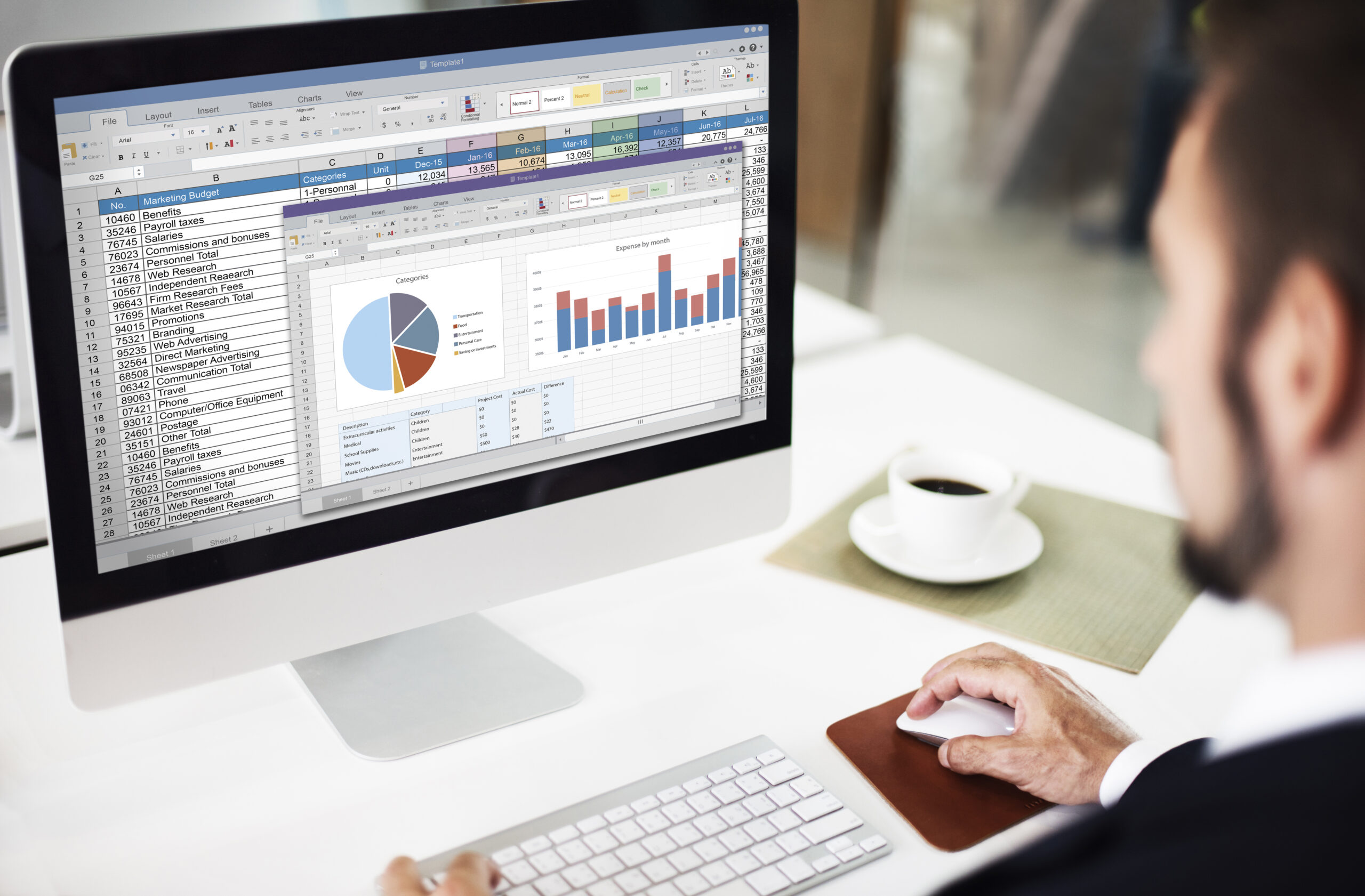
Data sits at the center of daily work for many teams. Sales numbers, marketing results, project timelines, and budgets all live in rows and columns. The real challenge is not collecting this data. The challenge is turning it into something people can read, trust, and act on. This is where a simple dashboard approach can make a big difference.
In this article, we will look at how dashboards inside Google Sheets help teams understand data without stress. We will cover structure, use cases, and practical tips in a clear and friendly way.
Why a google sheets dashboard matters for daily decisions?
A google sheets dashboard brings key data into one clear view. Instead of opening many tabs or files, users see the full picture at once. This saves time and reduces confusion during reviews or meetings.
Dashboards work well because Google Sheets is familiar. Most users already know how to enter data, sort values, and apply formulas. A dashboard builds on that comfort and adds focus. Charts, summary cells, and filters guide the reader toward what matters most.
A strong dashboard answers questions fast. Are sales on target this month? Which tasks are late? Where did costs increase? When these answers sit on one screen, decisions become easier and faster.
Teams also like dashboards because they update in real time. When someone changes the source data, the dashboard reflects that change at once. There is no need to refresh or resend files. This keeps everyone aligned and reduces errors.
Core elements that make a dashboard easy to read
A good dashboard does not try to show everything. It shows the right things. Clear layout and simple visuals help users understand data at a glance.
Most dashboards start with summary numbers at the top. These might include totals, averages, or progress toward a goal. Below that, charts show trends over time or comparisons between categories. Tables come last for users who want details.
Color plays a role but should stay limited. Use one color for positive change and one for negative change. Too many colors distract the eye and weaken the message.
Here are a few core elements that often appear together in a clean dashboard.
- Summary metrics, line charts, bar charts, and filtered tables
Each element supports a different type of reader. Some want a quick answer. Others want to explore the data. A balanced layout serves both.
How a google sheets dashboard supports teamwork ?
A google sheets dashboard works best when shared. Teams can view the same data and discuss results using a common reference. This cuts down on misunderstandings and long email threads.
Sharing settings allow control. Some users can edit data while others can only view it. This protects the structure while still allowing input from the right people.
Dashboards also support comments. Team members can ask questions directly on a chart or cell. This keeps discussion close to the data and adds context for future readers.
Because Google Sheets runs in a browser, dashboards work across devices. A manager can check results on a laptop while a teammate updates numbers from a tablet. This flexibility supports modern work habits without extra tools.
Tips to keep your dashboard useful over time
A dashboard is not a one time task. It needs care. Data sources change, goals shift, and users ask new questions. Regular reviews keep the dashboard helpful.
Start by checking if each chart still answers a real question. Remove anything that no longer adds value. Fewer elements often lead to better clarity.
Use clear labels and notes. If a metric has a specific meaning, explain it in a small text cell. This helps new users and prevents wrong assumptions.
Finally, test the dashboard with someone new. If they understand it without guidance, you are on the right track.
Conclusion
Dashboards turn data from a burden into a guide. When built with care, a google sheets dashboard helps teams see progress, spot issues, and act with confidence. It does not require advanced tools or complex skills. It requires clear thinking, simple structure, and respect for the reader. With these principles in place, your data can finally tell its story in a way people trust and use.
About the Author