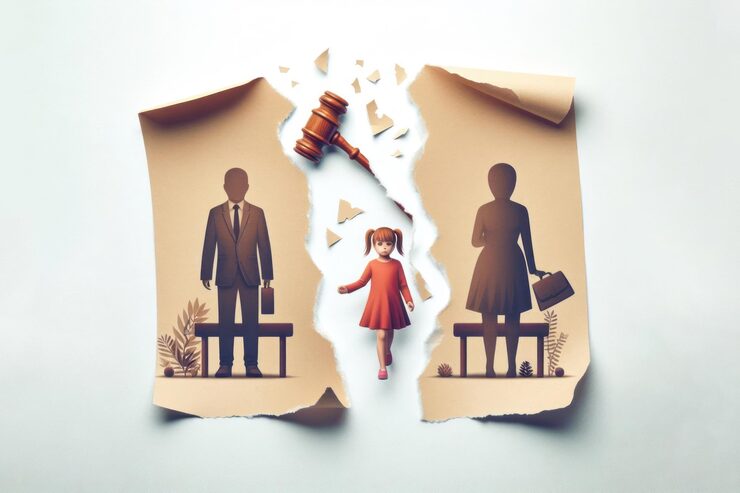
Experiencing domestic violence can be one of the most difficult and life-changing challenges a person faces. Beyond emotional and physical harm, it often creates legal complications that require immediate attention. civil litigation provides a legal pathway for survivors to seek protection, enforce their rights, and regain control of their lives. With compassionate and experienced legal support, individuals can pursue safety measures and justice through the court system.
Understanding Civil Litigation in Domestic Violence Cases
Civil litigation in domestic violence cases focuses on protecting victims rather than punishing offenders. While criminal charges may also be filed, civil actions allow survivors to obtain restraining orders, financial support, and other forms of legal relief.
For example, a survivor may file for a protective order that legally prevents the abuser from contacting or approaching them. This type of legal protection is often a critical first step toward ensuring safety.
Legal Options Available to Survivors
Survivors of domestic violence have several legal options to protect themselves and their families.
A restraining order is a court-issued directive that restricts an abuser’s actions. It may include no-contact provisions, removal from a shared home, and temporary custody arrangements.
In urgent situations, courts can issue emergency orders that provide immediate protection. These orders are typically temporary but can be extended through further legal action.
In some cases, survivors may seek compensation for medical expenses, lost income, or emotional distress caused by the abuse.
Child Custody and Support
Domestic violence cases often involve children. Civil litigation can help establish safe custody arrangements and ensure financial support.
Understanding the process can help survivors feel more prepared and confident.
The process begins with filing a petition in court. This document outlines the abuse and requests specific protections.
A judge reviews the case and may hold a hearing where both parties present evidence. Survivors can provide testimony, documents, or witness statements.
If the court finds sufficient evidence, it issues protective orders or other legal remedies to ensure safety.
Enforcement
Law enforcement agencies enforce court orders. Violations can lead to serious legal consequences for the abuser.
Importance of Professional Legal Support
Navigating legal procedures while dealing with emotional stress can be overwhelming. Experienced legal professionals provide guidance, support, and advocacy throughout the process.
Working with a domestic violence lawyer ensures that survivors understand their rights and receive the protection they need. These professionals help gather evidence, prepare legal documents, and represent clients in court, making the process more manageable and effective.
How Civil Litigation Protects Survivors
Civil litigation offers several key benefits for domestic violence survivors. Protective orders provide immediate relief by restricting the abuser’s actions and ensuring physical safety. Court proceedings formally recognize the abuse, which can be important for future legal matters such as custody or divorce. Civil litigation can establish ongoing legal protections, including extended restraining orders and financial support. Taking legal action allows survivors to regain control over their lives and make decisions that prioritize their safety and well-being.

Practical Tips for Survivors Seeking Legal Help
Taking the first step can be difficult, but preparation can make the process smoother.
Document Evidence
Keep records of incidents, including photos, messages, and medical reports. This evidence strengthens your case.
If you are in danger, contact local authorities or emergency services. Safety should always be the top priority.
Choose a legal team that understands domestic violence cases and provides compassionate support.
Stay Informed
Understanding your rights and legal options helps you make confident decisions throughout the process.
Role of Law Firms in Domestic Violence Cases
Law firms play a critical role in supporting survivors through civil litigation. They provide legal expertise, emotional understanding, and a structured approach to handling sensitive cases.
From filing petitions to representing clients in court, experienced attorneys ensure that every step is handled with care and professionalism. They also help survivors explore all available legal options and choose the best course of action.
A trusted firm like the one at offers dedicated support for individuals seeking protection and justice. Their commitment to client safety and strong advocacy makes them a reliable choice for handling domestic violence cases.
Choosing the Right Legal Representation
Selecting the right lawyer is essential for achieving a positive outcome. Look for professionals with experience in domestic violence cases, strong communication skills, and a compassionate approach.
It is important to work with someone who listens to your concerns, explains the process clearly, and prioritizes your safety. This ensures a supportive and effective legal experience.
Conclusion
Civil litigation provides a powerful tool for domestic violence survivors to seek protection and rebuild their lives. From obtaining restraining orders to securing financial support, the legal process offers a path toward safety and justice. With the help of experienced legal professionals, survivors can navigate challenges with confidence and take meaningful steps toward a safer future.
FAQ
What is civil litigation in domestic violence cases?
Civil litigation in domestic violence cases involves legal actions taken to protect survivors, such as obtaining restraining orders and financial support.
How quickly can a restraining order be issued?
Emergency protective orders can often be issued within hours, while longer-term orders may require a court hearing.
Do I need a lawyer to file a domestic violence case?
While it is possible to file on your own, working with an experienced lawyer ensures proper documentation, strong representation, and better protection.
About the Author